Buy industrie.biz ?
We are moving the project
industrie.biz .
Are you interested in purchasing the domain
industrie.biz ?
domain@kv-gmbh.de · 0541-91531010
Buy industrie.biz ?
What is the difference between manufacturing and production?
Manufacturing refers to the process of converting raw materials or components into finished goods through various techniques and processes. Production, on the other hand, is a broader term that encompasses all activities involved in creating goods or services, including manufacturing, but also includes activities such as planning, designing, and managing the entire process. In essence, manufacturing is a subset of production, focusing specifically on the physical transformation of materials into products. **
What is Automation Engineering as a course of study?
Automation Engineering is a multidisciplinary field that focuses on the design, development, and implementation of automated systems and processes. This course of study combines principles from electrical, mechanical, and computer engineering to create efficient and reliable automated systems for various industries such as manufacturing, transportation, and energy. Students in this program learn about control systems, robotics, industrial automation, and programming languages to develop the skills necessary to design and maintain automated systems. Graduates of Automation Engineering programs are prepared to work in a wide range of industries where automation is essential for improving productivity and efficiency. **

Similar search terms for Cabernet
Top-Angebote
Products related to Cabernet:
-
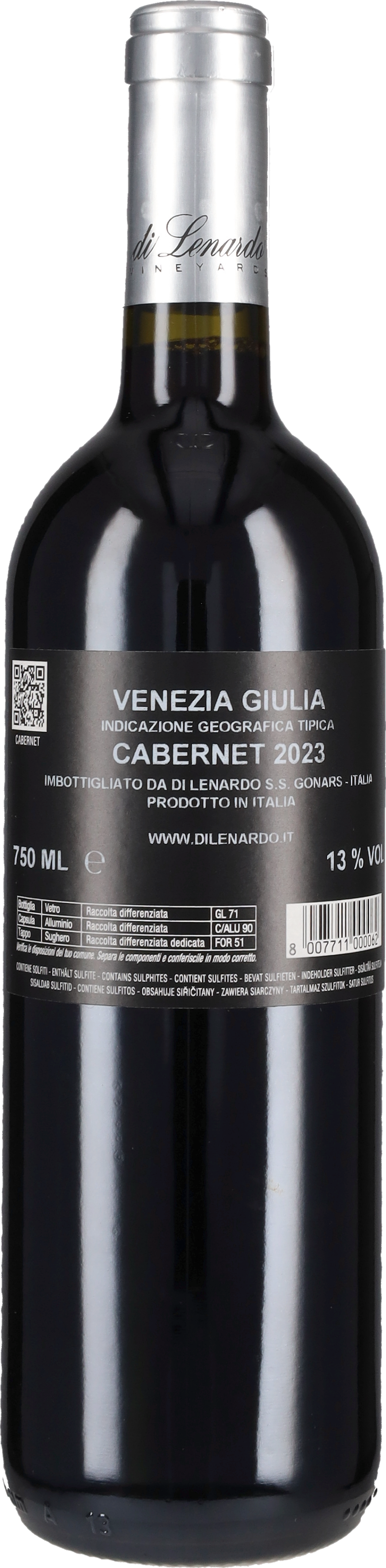
Cabernet Di Lenardo 2024The Cabernet from the Di Lenardo winery is a Friulian red produced with an equal blend of Cabernet Franc and Cabernet Sauvignon, two famous Bordeaux varieties that have adapted very well to Friuli for centuries. In the Grave area, they have found gravelly soils of alluvial origin, similar to some areas of Bordeaux. The wine is vinified and aged only in steel, to preserve the young and fragrant character, typically fruity of the Cabernets. It is a wine where the aromas of small berries, fresh red fruit, and delicate spices prevail, offering an easy and smooth sip. The red Cabernet is one of the labels of the Di Lenardo winery that best tells the tradition of producing straightforward and immediate wines, capable of being on the table every day. It is no coincidence that a wine with these characteristics is born in a winery that has been operating in the area since the mid-nineteenth century and knows its history well. The soils of the Grave area are of ancient alluvial origin, rather loose and rich in pebbles. Lean and well-draining soils, which present some similarities with certain areas of the Médoc. The estate extends for 52 hectares, mainly in the countryside around Ontagnano and Palmanova. The vines are about 40 years old and have been planted with both indigenous and some international varieties, capable of adapting to Friuli Venezia Giulia. The company philosophy is oriented towards the production of fresh, young wines that prioritize immediate drinkability. The Cabernet wine from the Friulian winery Di Lenardo perfectly represents the face of good everyday red wine from the Friulian tradition. Young and fragrant, it offers extraordinary drinkability, highlighting the best characteristics of great varieties like Cabernet Franc and Cabernet Sauvignon. The wine is made from a cold maceration of the grapes for about ten days, followed by fermentation in temperature-controlled stainless steel tanks, with skin maceration. The wine matures for a period of 6-8 months in steel before being bottled. It presents itself with a dark ruby red color.The olfactory profile recalls aromas of small dark berries, ripe red fruit, herbal nuances, hints of aromatic herbs from the Mediterranean scrub, and soft spices. The sip is agile, with fine tannins and a juicy mid-palate. The finish is of good persistence, with a closure that returns to slightly spicy sensations. It is a red that perfectly combines the Friulian terroir with the great Bordeaux varieties.10,00 £*Shipping: 48,00 £Secure redirect to the provider


-
Which field do you prefer: Production Engineering or Electrical Engineering?
As an AI, I do not have personal preferences. However, both Production Engineering and Electrical Engineering are important fields with unique challenges and opportunities. Production Engineering focuses on optimizing manufacturing processes and improving efficiency, while Electrical Engineering deals with the design and development of electrical systems and devices. The choice between the two fields ultimately depends on individual interests and career goals. **
-
What is the difference between workshop production and workshop manufacturing?
Workshop production refers to the process of creating goods or products in a workshop setting, often involving skilled craftsmen and artisans. This can include activities such as woodworking, metalworking, and other forms of handcrafting. On the other hand, workshop manufacturing involves the use of machinery and advanced technology to produce goods in a workshop setting. This can include activities such as 3D printing, CNC machining, and other automated manufacturing processes. In essence, workshop production is more focused on traditional, manual craftsmanship, while workshop manufacturing involves more modern, automated techniques. **
-
What are the production costs of the material for manufacturing a concrete Lego brick?
The production costs of the material for manufacturing a concrete Lego brick include the cost of cement, aggregates (such as sand and gravel), water, and any additives or coloring agents. Additionally, there are costs associated with the energy required to mix and cure the concrete, as well as the molds used to shape the bricks. Overall, the production costs can vary depending on the quality and quantity of materials used, as well as the efficiency of the manufacturing process. **
-
Is all of this just a fabrication?
No, not all of this is a fabrication. While some information may be fabricated or exaggerated, there are also elements of truth and reality in what is being presented. It's important to critically evaluate the information and consider multiple sources before coming to a conclusion about its authenticity. **

How can one learn to become an electronics technician for industrial engineering or automation technology?
To become an electronics technician for industrial engineering or automation technology, one can start by pursuing a relevant educational program, such as an associate degree in electronics engineering technology or industrial automation. These programs typically cover topics such as electrical circuits, industrial control systems, and automation technologies. Additionally, gaining hands-on experience through internships or apprenticeships with companies in the industrial engineering or automation field can provide valuable practical skills. Seeking professional certifications, such as those offered by organizations like the International Society of Automation (ISA) or the Electronics Technicians Association (ETA), can also demonstrate expertise and knowledge in the field. Finally, staying updated with the latest advancements in industrial engineering and automation technology through continuous learning and professional development is essential for a successful career in this field. **
Was Jesus real or is he a fabrication?
The historical existence of Jesus is widely accepted by scholars and historians, both Christian and non-Christian. There is a significant amount of historical evidence, including writings from ancient historians and references in non-Christian sources, that support the existence of Jesus as a real person. While there may be debate about the divinity and teachings of Jesus, the consensus among historians is that he was a historical figure who lived in the first century. Therefore, the evidence suggests that Jesus was a real person rather than a fabrication. **
Top-Angebote
Products related to Cabernet:
-
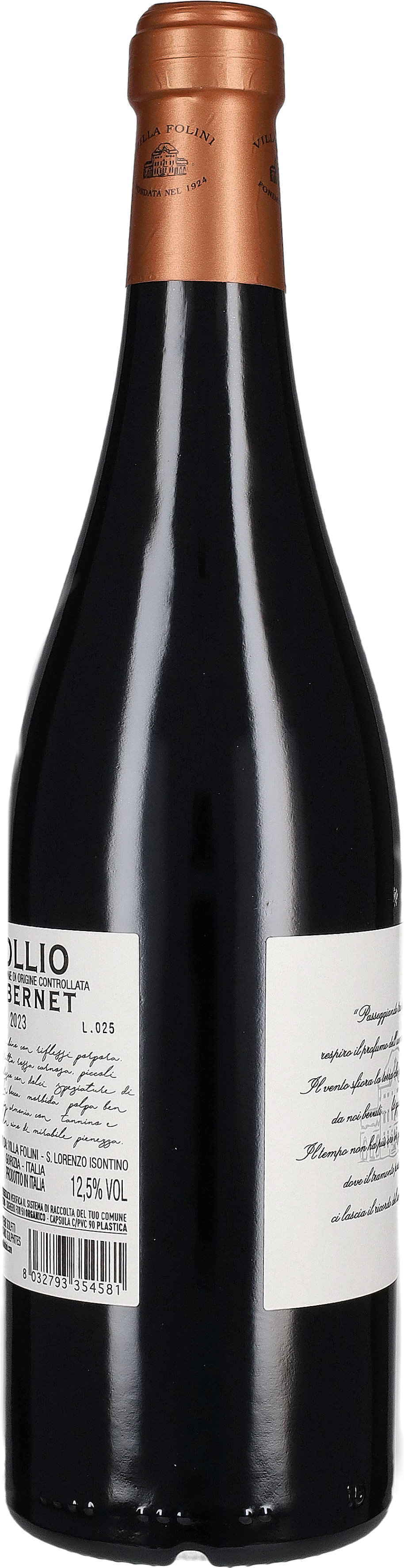
Cabernet Maculan 2024The Veneto red Cabernet Maculan is a linear wine that presents the varietal in its classic form. The aromas on the nose are indeed traditional and tell of a soul where the primary scent is embodied by green pepper against a background essentially made up of fruity notes, a prelude to a dry and fresh sip, enlivened by soft and well-crafted tannins. A label that impresses with the excellent quality-price ratio at which it is offered, very interesting! The Cabernet Maculan comes from vineyards located on the Breganze hills. Here, the vines are carefully cultivated by the winery team, growing in a terroir characterized by the presence of volcanic subsoil rich in tuff. The grapes are selected during the manual harvest, and after destemming, the berries proceed to the pressing phase. The must obtained from this operation ferments in stainless steel tanks, with continuous pump-overs. The aging phase takes place first for 12 months in stainless steel tanks and then, once the bottling operations are completed - which do not involve any filtration - for another 6 months in glass. - which do not involve any filtration - for another 6 months in glass. The red wine Cabernet produced by the Maculan winery presents itself visually with a cheerful ruby color, crossed by some slight flashes tending towards purple, visible at the rim. The range of notes that envelops the nose moves on fruity notes and typically varietal references - where the green pepper plays the leading role - alternating with light hazelnut nuances. On the palate, it is medium-bodied, with a truly pleasant refreshing sip, in which the tannic structure is crafted with grace, perfectly integrating into the overall structure of the wine. Delicate and enchanting, it is perfect at the table paired with meat dishes.12,00 £*Shipping: 48,00 £Secure redirect to the provider
-
What is the difference between manufacturing and production?
Manufacturing refers to the process of converting raw materials or components into finished goods through various techniques and processes. Production, on the other hand, is a broader term that encompasses all activities involved in creating goods or services, including manufacturing, but also includes activities such as planning, designing, and managing the entire process. In essence, manufacturing is a subset of production, focusing specifically on the physical transformation of materials into products. **
-
What is Automation Engineering as a course of study?
Automation Engineering is a multidisciplinary field that focuses on the design, development, and implementation of automated systems and processes. This course of study combines principles from electrical, mechanical, and computer engineering to create efficient and reliable automated systems for various industries such as manufacturing, transportation, and energy. Students in this program learn about control systems, robotics, industrial automation, and programming languages to develop the skills necessary to design and maintain automated systems. Graduates of Automation Engineering programs are prepared to work in a wide range of industries where automation is essential for improving productivity and efficiency. **
-
Which field do you prefer: Production Engineering or Electrical Engineering?
As an AI, I do not have personal preferences. However, both Production Engineering and Electrical Engineering are important fields with unique challenges and opportunities. Production Engineering focuses on optimizing manufacturing processes and improving efficiency, while Electrical Engineering deals with the design and development of electrical systems and devices. The choice between the two fields ultimately depends on individual interests and career goals. **
-
What is the difference between workshop production and workshop manufacturing?
Workshop production refers to the process of creating goods or products in a workshop setting, often involving skilled craftsmen and artisans. This can include activities such as woodworking, metalworking, and other forms of handcrafting. On the other hand, workshop manufacturing involves the use of machinery and advanced technology to produce goods in a workshop setting. This can include activities such as 3D printing, CNC machining, and other automated manufacturing processes. In essence, workshop production is more focused on traditional, manual craftsmanship, while workshop manufacturing involves more modern, automated techniques. **
Similar search terms for Cabernet
-
Cabernet Di Lenardo 2024The Cabernet from the Di Lenardo winery is a Friulian red produced with an equal blend of Cabernet Franc and Cabernet Sauvignon, two famous Bordeaux varieties that have adapted very well to Friuli for centuries. In the Grave area, they have found gravelly soils of alluvial origin, similar to some areas of Bordeaux. The wine is vinified and aged only in steel, to preserve the young and fragrant character, typically fruity of the Cabernets. It is a wine where the aromas of small berries, fresh red fruit, and delicate spices prevail, offering an easy and smooth sip. The red Cabernet is one of the labels of the Di Lenardo winery that best tells the tradition of producing straightforward and immediate wines, capable of being on the table every day. It is no coincidence that a wine with these characteristics is born in a winery that has been operating in the area since the mid-nineteenth century and knows its history well. The soils of the Grave area are of ancient alluvial origin, rather loose and rich in pebbles. Lean and well-draining soils, which present some similarities with certain areas of the Médoc. The estate extends for 52 hectares, mainly in the countryside around Ontagnano and Palmanova. The vines are about 40 years old and have been planted with both indigenous and some international varieties, capable of adapting to Friuli Venezia Giulia. The company philosophy is oriented towards the production of fresh, young wines that prioritize immediate drinkability. The Cabernet wine from the Friulian winery Di Lenardo perfectly represents the face of good everyday red wine from the Friulian tradition. Young and fragrant, it offers extraordinary drinkability, highlighting the best characteristics of great varieties like Cabernet Franc and Cabernet Sauvignon. The wine is made from a cold maceration of the grapes for about ten days, followed by fermentation in temperature-controlled stainless steel tanks, with skin maceration. The wine matures for a period of 6-8 months in steel before being bottled. It presents itself with a dark ruby red color.The olfactory profile recalls aromas of small dark berries, ripe red fruit, herbal nuances, hints of aromatic herbs from the Mediterranean scrub, and soft spices. The sip is agile, with fine tannins and a juicy mid-palate. The finish is of good persistence, with a closure that returns to slightly spicy sensations. It is a red that perfectly combines the Friulian terroir with the great Bordeaux varieties.10,00 £*Shipping: 48,00 £Secure redirect to the provider
-
Cabernet Franc Ampeleia 2023Ampeleia's Cabernet Franc is a successful synthesis of infused fruit and herbs, as well as a streamlined and dynamic interpretation of a Bordeaux varietal. All the vines grow according to the precepts Marco has always held dear, so without the use of chemicals or synthetic substances, with biodynamic agriculture. Genuine tales of terroir, whose watchwords are fine and drinkable. Red Cabernet Franc is made from pure grapes of the vine of the same name from a single vineyard called the vigna dell'Asina. The soil is rich in marl, typical of some areas of Tuscany, and the area is characterized by strong temperature changes that benefit the grapes, creating a perfect microclimate. Extremely low yields and manual harvesting are just the prelude to a winemaking process that involves no artifice, reducing human interventionism to a minimum. The fermentation takes place spontaneously in concrete tanks, the same tanks in which the liquid ages for six months before being bottled. Brief resting in a glass before release. Cabernet Franc wine drops into the glass with a vibrant ruby red colour. With an immediate impact nose, the liquid unfolds from the first olfaction in a succession of aromatic herbs, hints of forest scrub, raspberries and mint. A fresh and inviting profile, difficult to resist. And indeed, a taste is urgently needed, which proves no less convincing than the olfactory part. The fruit is set in a sphere of freshness and matter, always perfectly calibrated. It flows without weight and is a wine of "dangerous" drinkability, given the ease with which the bottle evaporates. More than an everyday wine, it works excellently on multiple preparations for our table.28,00 £*Shipping: 48,00 £Secure redirect to the provider
-
What are the production costs of the material for manufacturing a concrete Lego brick?
The production costs of the material for manufacturing a concrete Lego brick include the cost of cement, aggregates (such as sand and gravel), water, and any additives or coloring agents. Additionally, there are costs associated with the energy required to mix and cure the concrete, as well as the molds used to shape the bricks. Overall, the production costs can vary depending on the quality and quantity of materials used, as well as the efficiency of the manufacturing process. **
-
Is all of this just a fabrication?
No, not all of this is a fabrication. While some information may be fabricated or exaggerated, there are also elements of truth and reality in what is being presented. It's important to critically evaluate the information and consider multiple sources before coming to a conclusion about its authenticity. **
-
How can one learn to become an electronics technician for industrial engineering or automation technology?
To become an electronics technician for industrial engineering or automation technology, one can start by pursuing a relevant educational program, such as an associate degree in electronics engineering technology or industrial automation. These programs typically cover topics such as electrical circuits, industrial control systems, and automation technologies. Additionally, gaining hands-on experience through internships or apprenticeships with companies in the industrial engineering or automation field can provide valuable practical skills. Seeking professional certifications, such as those offered by organizations like the International Society of Automation (ISA) or the Electronics Technicians Association (ETA), can also demonstrate expertise and knowledge in the field. Finally, staying updated with the latest advancements in industrial engineering and automation technology through continuous learning and professional development is essential for a successful career in this field. **
-
Was Jesus real or is he a fabrication?
The historical existence of Jesus is widely accepted by scholars and historians, both Christian and non-Christian. There is a significant amount of historical evidence, including writings from ancient historians and references in non-Christian sources, that support the existence of Jesus as a real person. While there may be debate about the divinity and teachings of Jesus, the consensus among historians is that he was a historical figure who lived in the first century. Therefore, the evidence suggests that Jesus was a real person rather than a fabrication. **
* All prices are inclusive of VAT and, if applicable, plus shipping costs. The offer information is based on the details provided by the respective shop and is updated through automated processes. Real-time updates do not occur, so deviations can occur in individual cases. ** Note: Parts of this content were created by AI.