Buy industrie.biz ?
We are moving the project
industrie.biz .
Are you interested in purchasing the domain
industrie.biz ?
domain@kv-gmbh.de · 0541-91531010
Buy industrie.biz ?
Is the 8-year-old Merlot still drinkable?
It is possible that an 8-year-old Merlot is still drinkable, as Merlot wines can age well depending on the producer and storage conditions. However, it is important to note that not all Merlots are meant for long-term aging, so the quality of the wine may have deteriorated over time. To determine if the wine is still drinkable, it is recommended to taste a small amount and assess its aroma, flavor, and overall balance. **
How long is the shelf life of Merlot red wine?
The shelf life of Merlot red wine can vary depending on how it is stored. Generally, an unopened bottle of Merlot can be stored for 3-5 years in a cool, dark place. Once opened, the wine should be consumed within 3-5 days to ensure optimal taste and quality. It is important to re-cork the bottle and store it in the refrigerator to help preserve the wine. **
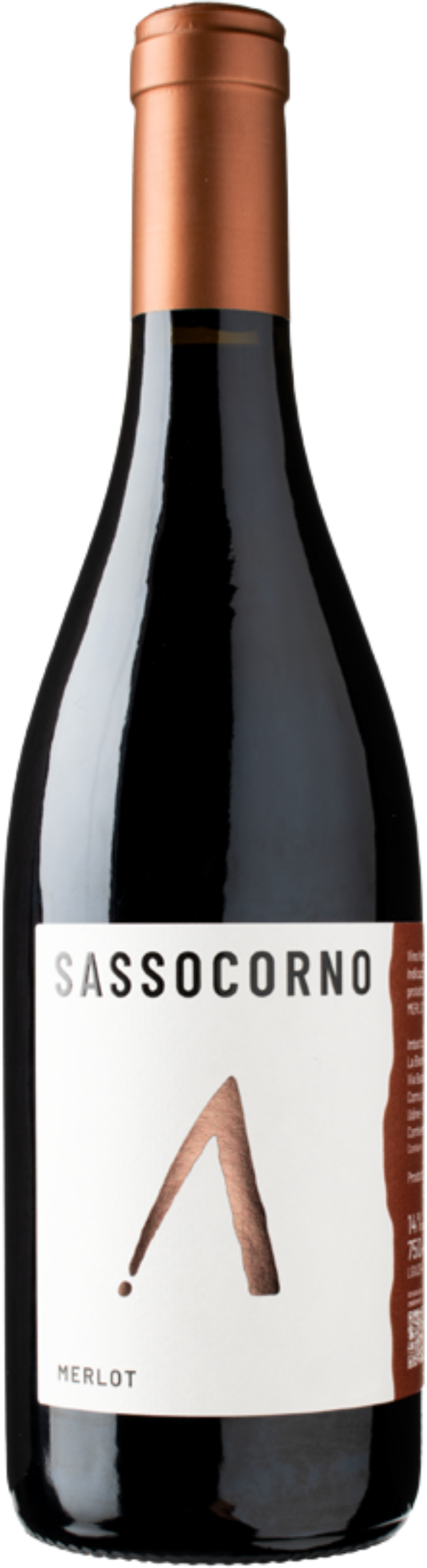
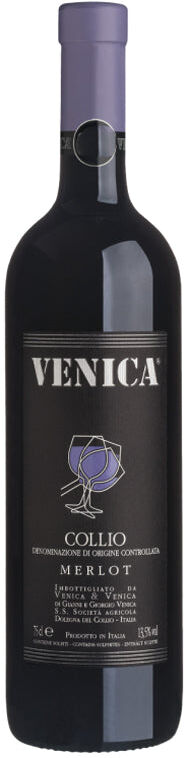
Similar search terms for Merlot
Top-Angebote
Products related to Merlot:
-
Merlot Mlecnik 2015The Merlot from the Slovenian winery Mlecnik is an artisanal interpretation of remarkable richness and charm, produced in the Vipavska Dolina area. For over two centuries, the Mlecnik family has been the custodian of this region, but it was at the end of the 1980s that the actual qualitative leap occurred with the abandonment of bulk wine sales in favor of internal bottling under their own name. Today, the winery is led by Valter Mlecnik, a talented winemaker who has been skilled in respecting the ancient and established traditions passed down through generations. The Mlecnik Merlot Vipavska Dolina is made from only Merlot grapes grown in soils composed of marls, clays, and limestone rocks in accordance with the principles of organic farming, certified since 2005. Once the clusters have reached the perfect degree of ripeness, manual harvesting and crushing take place, with alcoholic fermentation conducted exclusively by indigenous yeasts. The subsequent aging period takes place in oak barrels for 24 months, at the end of which the wine is bottled. Throughout the entire winemaking process, the mass undergoes no clarification, filtration, or addition of sulfur. The Slovenian Merlot from Mlecnik displays a garnet red color with violet hues. The vivid olfactory mosaic is defined by fruity and floral aromas, adorned with scents of tomato leaf and tobacco. On the palate, it shows remarkable balance between silky softness and brilliant freshness, with a rich and complex tannic structure. The finish is long-lasting with exceptional flavor-aroma correspondence. A Merlot of excellent versatility in food-wine pairing, suitable for dishes based on various meats, aged cheeses, and flavorful mushroom preparations.45,00 £*Shipping: 48,00 £Secure redirect to the provider
-
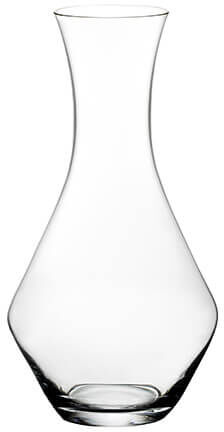
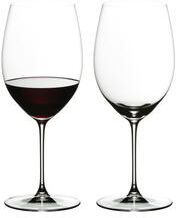
Riedel Merlot DecanterThis unique and stylish Riedel Decanter is suitable for allowing Merlot wines to breathe before serving. The design of the Decanter allows the wine to be served whilst producing the best possible taste and aroma. Each Decanter is machine blown crystal glass and marked with the unique Riedel lettering as a genuine and distinguishing feature. Older wines can be decanted and served almost straight away, whereas newer wines benefit from breathing for longer once in your Decanter. 970ml capacity. Measures 24cm high and widest part 11.5cm.48,00 £*Shipping: 3,50 £Secure redirect to the provider

-
What are the taste differences between Merlot and Bordeaux wine?
Merlot and Bordeaux wines are both red wines, but they have distinct taste differences. Merlot is known for its smooth, velvety texture and flavors of ripe fruit, such as plum, cherry, and berry. It also often has notes of chocolate and herbs. Bordeaux wine, on the other hand, is a blend of several grape varieties, including Merlot, Cabernet Sauvignon, and Cabernet Franc. Bordeaux wines tend to be more complex, with flavors of blackcurrant, cedar, and tobacco, and have a firmer tannic structure. Bordeaux wines also often have a longer aging potential compared to Merlot. **
-
What is the difference between manufacturing and production?
Manufacturing refers to the process of converting raw materials or components into finished goods through various techniques and processes. Production, on the other hand, is a broader term that encompasses all activities involved in creating goods or services, including manufacturing, but also includes activities such as planning, designing, and managing the entire process. In essence, manufacturing is a subset of production, focusing specifically on the physical transformation of materials into products. **
-
What is Automation Engineering as a course of study?
Automation Engineering is a multidisciplinary field that focuses on the design, development, and implementation of automated systems and processes. This course of study combines principles from electrical, mechanical, and computer engineering to create efficient and reliable automated systems for various industries such as manufacturing, transportation, and energy. Students in this program learn about control systems, robotics, industrial automation, and programming languages to develop the skills necessary to design and maintain automated systems. Graduates of Automation Engineering programs are prepared to work in a wide range of industries where automation is essential for improving productivity and efficiency. **
-
Which field do you prefer: Production Engineering or Electrical Engineering?
As an AI, I do not have personal preferences. However, both Production Engineering and Electrical Engineering are important fields with unique challenges and opportunities. Production Engineering focuses on optimizing manufacturing processes and improving efficiency, while Electrical Engineering deals with the design and development of electrical systems and devices. The choice between the two fields ultimately depends on individual interests and career goals. **


What is the difference between workshop production and workshop manufacturing?
Workshop production refers to the process of creating goods or products in a workshop setting, often involving skilled craftsmen and artisans. This can include activities such as woodworking, metalworking, and other forms of handcrafting. On the other hand, workshop manufacturing involves the use of machinery and advanced technology to produce goods in a workshop setting. This can include activities such as 3D printing, CNC machining, and other automated manufacturing processes. In essence, workshop production is more focused on traditional, manual craftsmanship, while workshop manufacturing involves more modern, automated techniques. **
What are the production costs of the material for manufacturing a concrete Lego brick?
The production costs of the material for manufacturing a concrete Lego brick include the cost of cement, aggregates (such as sand and gravel), water, and any additives or coloring agents. Additionally, there are costs associated with the energy required to mix and cure the concrete, as well as the molds used to shape the bricks. Overall, the production costs can vary depending on the quality and quantity of materials used, as well as the efficiency of the manufacturing process. **
Top-Angebote
Products related to Merlot:
-
Merlot Venica 2023containers of steel, macerating on the skins for 8 days; the malolactic fermentation is carried out subsequently, in oak barrels. Always in wood, the wine then rests for 12 months, after which it is bottled and marketed. The Venica Merlot presents itself to the eye with a beautiful red color reminiscent of the shade of ruby. On the nose, a mix of fruity sensations is perceived, enriched by some more vegetal touches and a slight hint of spices at the finish. On the palate, it is medium-bodied, balanced, with a enveloping sip dominated by fine and well-crafted tannins. A Friulian red that transports us into the fascinating terroir of Collio, a place where important wines are born and appreciated by all enthusiasts.steel containers, macerating on the skins for 8 days; the malolactic fermentation is carried out subsequently, in oak barrels. Always in wood, the wine then rests for 12 months, after which it is bottled and marketed. The Venica Merlot presents itself to the eye with a beautiful red color reminiscent of the shade of ruby. On the nose, a mix of fruity sensations is perceived, enriched by some more vegetal touches and a slight hint of spices at the finish. On the palate, it is medium-bodied, balanced, with an enveloping sip dominated by fine and well-crafted tannins. A Friulian red that transports us into the fascinating terroir of Collio, a place where important wines are born and appreciated by all enthusiasts.19,00 £*Shipping: 48,00 £Secure redirect to the provider
-
Merlot Mlecnik 2015The Merlot from the Slovenian winery Mlecnik is an artisanal interpretation of remarkable richness and charm, produced in the Vipavska Dolina area. For over two centuries, the Mlecnik family has been the custodian of this region, but it was at the end of the 1980s that the actual qualitative leap occurred with the abandonment of bulk wine sales in favor of internal bottling under their own name. Today, the winery is led by Valter Mlecnik, a talented winemaker who has been skilled in respecting the ancient and established traditions passed down through generations. The Mlecnik Merlot Vipavska Dolina is made from only Merlot grapes grown in soils composed of marls, clays, and limestone rocks in accordance with the principles of organic farming, certified since 2005. Once the clusters have reached the perfect degree of ripeness, manual harvesting and crushing take place, with alcoholic fermentation conducted exclusively by indigenous yeasts. The subsequent aging period takes place in oak barrels for 24 months, at the end of which the wine is bottled. Throughout the entire winemaking process, the mass undergoes no clarification, filtration, or addition of sulfur. The Slovenian Merlot from Mlecnik displays a garnet red color with violet hues. The vivid olfactory mosaic is defined by fruity and floral aromas, adorned with scents of tomato leaf and tobacco. On the palate, it shows remarkable balance between silky softness and brilliant freshness, with a rich and complex tannic structure. The finish is long-lasting with exceptional flavor-aroma correspondence. A Merlot of excellent versatility in food-wine pairing, suitable for dishes based on various meats, aged cheeses, and flavorful mushroom preparations.45,00 £*Shipping: 48,00 £Secure redirect to the provider
-
Riedel Merlot DecanterThis unique and stylish Riedel Decanter is suitable for allowing Merlot wines to breathe before serving. The design of the Decanter allows the wine to be served whilst producing the best possible taste and aroma. Each Decanter is machine blown crystal glass and marked with the unique Riedel lettering as a genuine and distinguishing feature. Older wines can be decanted and served almost straight away, whereas newer wines benefit from breathing for longer once in your Decanter. 970ml capacity. Measures 24cm high and widest part 11.5cm.48,00 £*Shipping: 3,50 £Secure redirect to the provider
-
Is the 8-year-old Merlot still drinkable?
It is possible that an 8-year-old Merlot is still drinkable, as Merlot wines can age well depending on the producer and storage conditions. However, it is important to note that not all Merlots are meant for long-term aging, so the quality of the wine may have deteriorated over time. To determine if the wine is still drinkable, it is recommended to taste a small amount and assess its aroma, flavor, and overall balance. **
-
How long is the shelf life of Merlot red wine?
The shelf life of Merlot red wine can vary depending on how it is stored. Generally, an unopened bottle of Merlot can be stored for 3-5 years in a cool, dark place. Once opened, the wine should be consumed within 3-5 days to ensure optimal taste and quality. It is important to re-cork the bottle and store it in the refrigerator to help preserve the wine. **
-
What are the taste differences between Merlot and Bordeaux wine?
Merlot and Bordeaux wines are both red wines, but they have distinct taste differences. Merlot is known for its smooth, velvety texture and flavors of ripe fruit, such as plum, cherry, and berry. It also often has notes of chocolate and herbs. Bordeaux wine, on the other hand, is a blend of several grape varieties, including Merlot, Cabernet Sauvignon, and Cabernet Franc. Bordeaux wines tend to be more complex, with flavors of blackcurrant, cedar, and tobacco, and have a firmer tannic structure. Bordeaux wines also often have a longer aging potential compared to Merlot. **
-
What is the difference between manufacturing and production?
Manufacturing refers to the process of converting raw materials or components into finished goods through various techniques and processes. Production, on the other hand, is a broader term that encompasses all activities involved in creating goods or services, including manufacturing, but also includes activities such as planning, designing, and managing the entire process. In essence, manufacturing is a subset of production, focusing specifically on the physical transformation of materials into products. **
Similar search terms for Merlot
-
Merlot 'Verdugo' Masiero 2017Merlot 'Verdugo' is not only one of the most representative wines of the Vicenza-based Masiero winery, but also represents its most authentic face, expressing its soul and essence. It is the synthesis of a journey that began in 2001 with the creation of the vineyard and the choice of a Bordeaux grape variety particularly suited to the local soil and climate conditions. The excellent quality of the grapes suggested the creation of a red wine with a good structure, which also thanks to long ageing in wood presents a rich aromatic complexity and considerable longevity. It conquers with its soft personality, its intense and dense fruit, and its immediate and lively taste pleasure. Verdugo' is a Merlot made near Trissino, where Franco Masiero owns a family-run estate, managed with great passion. The activity began almost as a pastime, with the first Merlot vines planted with the idea of producing some wine to share with friends. The encouraging results of the first vinifications then led to a more ambitious and structured project. The soils are of ancient volcanic origin, rich in minerals. The vineyards are managed according to biodynamic principles, with the utmost respect for the environment. Treatments are only carried out with sulphur, copper and natural preparations. Harvesting is carried out manually and the Merlot grapes are fermented spontaneously using only indigenous yeasts in open vats, with about three weeks' maceration on the skins. The wine matures for a period of approximately one year in large oak barrels and completes the ageing process with a further 12 months in the bottle. Masiero's red Merlot 'Verdugo' is a wine made with spirit and craftsmanship, born of Franco's great love for his land and his passion for viticulture. It is the fruit of a great deal of work in the vineyard, which is reflected in its frank and genuine character. Bright ruby red in colour, it expresses on the nose intense aromas of small berries, wild blackberries, currants, raspberries, delicate spicy hints and nuances of officinal and balsamic herbs, typical of the evolution of Merlot. With a good structure, it presents a fine tannic texture, well integrated and enveloped by a dense and juicy fruit, which conquers for its breadth, richness and expressive harmony. The finish is of good persistence.24,00 £*Shipping: 48,00 £Secure redirect to the provider
-
What is Automation Engineering as a course of study?
Automation Engineering is a multidisciplinary field that focuses on the design, development, and implementation of automated systems and processes. This course of study combines principles from electrical, mechanical, and computer engineering to create efficient and reliable automated systems for various industries such as manufacturing, transportation, and energy. Students in this program learn about control systems, robotics, industrial automation, and programming languages to develop the skills necessary to design and maintain automated systems. Graduates of Automation Engineering programs are prepared to work in a wide range of industries where automation is essential for improving productivity and efficiency. **
-
Which field do you prefer: Production Engineering or Electrical Engineering?
As an AI, I do not have personal preferences. However, both Production Engineering and Electrical Engineering are important fields with unique challenges and opportunities. Production Engineering focuses on optimizing manufacturing processes and improving efficiency, while Electrical Engineering deals with the design and development of electrical systems and devices. The choice between the two fields ultimately depends on individual interests and career goals. **
-
What is the difference between workshop production and workshop manufacturing?
Workshop production refers to the process of creating goods or products in a workshop setting, often involving skilled craftsmen and artisans. This can include activities such as woodworking, metalworking, and other forms of handcrafting. On the other hand, workshop manufacturing involves the use of machinery and advanced technology to produce goods in a workshop setting. This can include activities such as 3D printing, CNC machining, and other automated manufacturing processes. In essence, workshop production is more focused on traditional, manual craftsmanship, while workshop manufacturing involves more modern, automated techniques. **
-
What are the production costs of the material for manufacturing a concrete Lego brick?
The production costs of the material for manufacturing a concrete Lego brick include the cost of cement, aggregates (such as sand and gravel), water, and any additives or coloring agents. Additionally, there are costs associated with the energy required to mix and cure the concrete, as well as the molds used to shape the bricks. Overall, the production costs can vary depending on the quality and quantity of materials used, as well as the efficiency of the manufacturing process. **
* All prices are inclusive of VAT and, if applicable, plus shipping costs. The offer information is based on the details provided by the respective shop and is updated through automated processes. Real-time updates do not occur, so deviations can occur in individual cases. ** Note: Parts of this content were created by AI.