Buy industrie.biz ?
We are moving the project
industrie.biz .
Are you interested in purchasing the domain
industrie.biz ?
domain@kv-gmbh.de · 0541-91531010
Buy industrie.biz ?
Which chain riveting tool?
The choice of a chain riveting tool depends on the specific needs and requirements of the user. Factors to consider include the type and size of the chain, the frequency of use, and the budget. Some popular options include the Park Tool CT-3.3, the Motion Pro PBR Chain Tool, and the RK Racing Chain Pro Chain Breaker and Riveting Tool. It's important to research and compare different tools to find the one that best suits your needs. **
What is the difference between hot and cold riveting?
Hot riveting involves heating the rivet before placing it in the hole, which helps to make it more malleable and easier to form a tight joint. Cold riveting, on the other hand, does not involve heating the rivet and relies on mechanical force to form the joint. Hot riveting is typically used for larger and heavier structures, while cold riveting is more commonly used for smaller and lighter applications. Overall, hot riveting tends to create a stronger and more durable joint compared to cold riveting. **


Similar search terms for Riveting
Top-Angebote
Products related to Riveting:
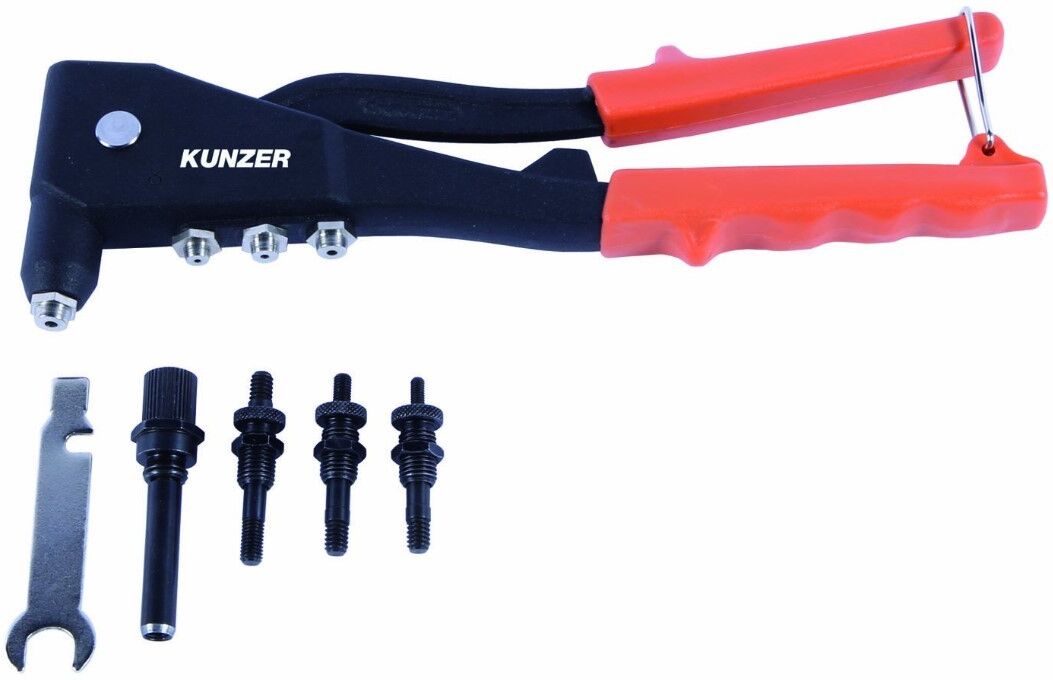
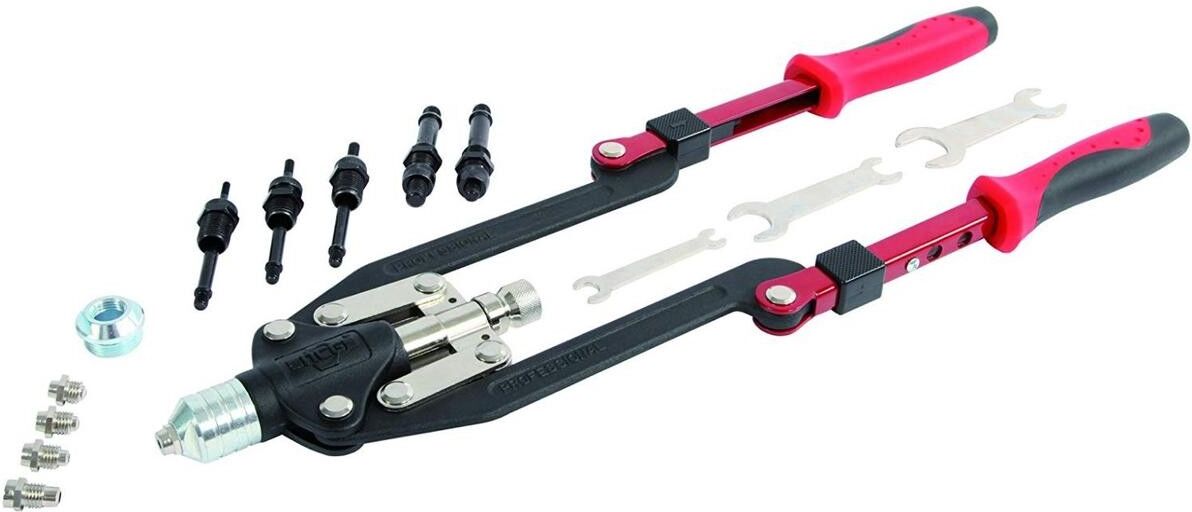


-
What are the advantages of screws compared to other joining methods such as riveting, welding, soldering, and gluing?
Screws offer several advantages over other joining methods. They provide a strong and secure connection that can be easily disassembled if needed, unlike welding or soldering which create permanent bonds. Screws also allow for adjustments and fine-tuning during assembly, which is not possible with riveting or gluing. Additionally, screws distribute the load evenly across the joint, reducing the risk of stress concentration and potential failure compared to other methods. **
-
What is the difference between manufacturing and production?
Manufacturing refers to the process of converting raw materials or components into finished goods through various techniques and processes. Production, on the other hand, is a broader term that encompasses all activities involved in creating goods or services, including manufacturing, but also includes activities such as planning, designing, and managing the entire process. In essence, manufacturing is a subset of production, focusing specifically on the physical transformation of materials into products. **
-
What is Automation Engineering as a course of study?
Automation Engineering is a multidisciplinary field that focuses on the design, development, and implementation of automated systems and processes. This course of study combines principles from electrical, mechanical, and computer engineering to create efficient and reliable automated systems for various industries such as manufacturing, transportation, and energy. Students in this program learn about control systems, robotics, industrial automation, and programming languages to develop the skills necessary to design and maintain automated systems. Graduates of Automation Engineering programs are prepared to work in a wide range of industries where automation is essential for improving productivity and efficiency. **
-
Which field do you prefer: Production Engineering or Electrical Engineering?
As an AI, I do not have personal preferences. However, both Production Engineering and Electrical Engineering are important fields with unique challenges and opportunities. Production Engineering focuses on optimizing manufacturing processes and improving efficiency, while Electrical Engineering deals with the design and development of electrical systems and devices. The choice between the two fields ultimately depends on individual interests and career goals. **


What is the difference between workshop production and workshop manufacturing?
Workshop production refers to the process of creating goods or products in a workshop setting, often involving skilled craftsmen and artisans. This can include activities such as woodworking, metalworking, and other forms of handcrafting. On the other hand, workshop manufacturing involves the use of machinery and advanced technology to produce goods in a workshop setting. This can include activities such as 3D printing, CNC machining, and other automated manufacturing processes. In essence, workshop production is more focused on traditional, manual craftsmanship, while workshop manufacturing involves more modern, automated techniques. **
What are the production costs of the material for manufacturing a concrete Lego brick?
The production costs of the material for manufacturing a concrete Lego brick include the cost of cement, aggregates (such as sand and gravel), water, and any additives or coloring agents. Additionally, there are costs associated with the energy required to mix and cure the concrete, as well as the molds used to shape the bricks. Overall, the production costs can vary depending on the quality and quantity of materials used, as well as the efficiency of the manufacturing process. **
Top-Angebote
Products related to Riveting:
-
Which chain riveting tool?
The choice of a chain riveting tool depends on the specific needs and requirements of the user. Factors to consider include the type and size of the chain, the frequency of use, and the budget. Some popular options include the Park Tool CT-3.3, the Motion Pro PBR Chain Tool, and the RK Racing Chain Pro Chain Breaker and Riveting Tool. It's important to research and compare different tools to find the one that best suits your needs. **
-
What is the difference between hot and cold riveting?
Hot riveting involves heating the rivet before placing it in the hole, which helps to make it more malleable and easier to form a tight joint. Cold riveting, on the other hand, does not involve heating the rivet and relies on mechanical force to form the joint. Hot riveting is typically used for larger and heavier structures, while cold riveting is more commonly used for smaller and lighter applications. Overall, hot riveting tends to create a stronger and more durable joint compared to cold riveting. **
-
What are the advantages of screws compared to other joining methods such as riveting, welding, soldering, and gluing?
Screws offer several advantages over other joining methods. They provide a strong and secure connection that can be easily disassembled if needed, unlike welding or soldering which create permanent bonds. Screws also allow for adjustments and fine-tuning during assembly, which is not possible with riveting or gluing. Additionally, screws distribute the load evenly across the joint, reducing the risk of stress concentration and potential failure compared to other methods. **
-
What is the difference between manufacturing and production?
Manufacturing refers to the process of converting raw materials or components into finished goods through various techniques and processes. Production, on the other hand, is a broader term that encompasses all activities involved in creating goods or services, including manufacturing, but also includes activities such as planning, designing, and managing the entire process. In essence, manufacturing is a subset of production, focusing specifically on the physical transformation of materials into products. **
Similar search terms for Riveting
-
What is Automation Engineering as a course of study?
Automation Engineering is a multidisciplinary field that focuses on the design, development, and implementation of automated systems and processes. This course of study combines principles from electrical, mechanical, and computer engineering to create efficient and reliable automated systems for various industries such as manufacturing, transportation, and energy. Students in this program learn about control systems, robotics, industrial automation, and programming languages to develop the skills necessary to design and maintain automated systems. Graduates of Automation Engineering programs are prepared to work in a wide range of industries where automation is essential for improving productivity and efficiency. **
-
Which field do you prefer: Production Engineering or Electrical Engineering?
As an AI, I do not have personal preferences. However, both Production Engineering and Electrical Engineering are important fields with unique challenges and opportunities. Production Engineering focuses on optimizing manufacturing processes and improving efficiency, while Electrical Engineering deals with the design and development of electrical systems and devices. The choice between the two fields ultimately depends on individual interests and career goals. **
-
What is the difference between workshop production and workshop manufacturing?
Workshop production refers to the process of creating goods or products in a workshop setting, often involving skilled craftsmen and artisans. This can include activities such as woodworking, metalworking, and other forms of handcrafting. On the other hand, workshop manufacturing involves the use of machinery and advanced technology to produce goods in a workshop setting. This can include activities such as 3D printing, CNC machining, and other automated manufacturing processes. In essence, workshop production is more focused on traditional, manual craftsmanship, while workshop manufacturing involves more modern, automated techniques. **
-
What are the production costs of the material for manufacturing a concrete Lego brick?
The production costs of the material for manufacturing a concrete Lego brick include the cost of cement, aggregates (such as sand and gravel), water, and any additives or coloring agents. Additionally, there are costs associated with the energy required to mix and cure the concrete, as well as the molds used to shape the bricks. Overall, the production costs can vary depending on the quality and quantity of materials used, as well as the efficiency of the manufacturing process. **
* All prices are inclusive of VAT and, if applicable, plus shipping costs. The offer information is based on the details provided by the respective shop and is updated through automated processes. Real-time updates do not occur, so deviations can occur in individual cases. ** Note: Parts of this content were created by AI.